

Conversations in Apocalyptic Times
At the End of the World
January 27, 2026, Catholic Academy of Berlin
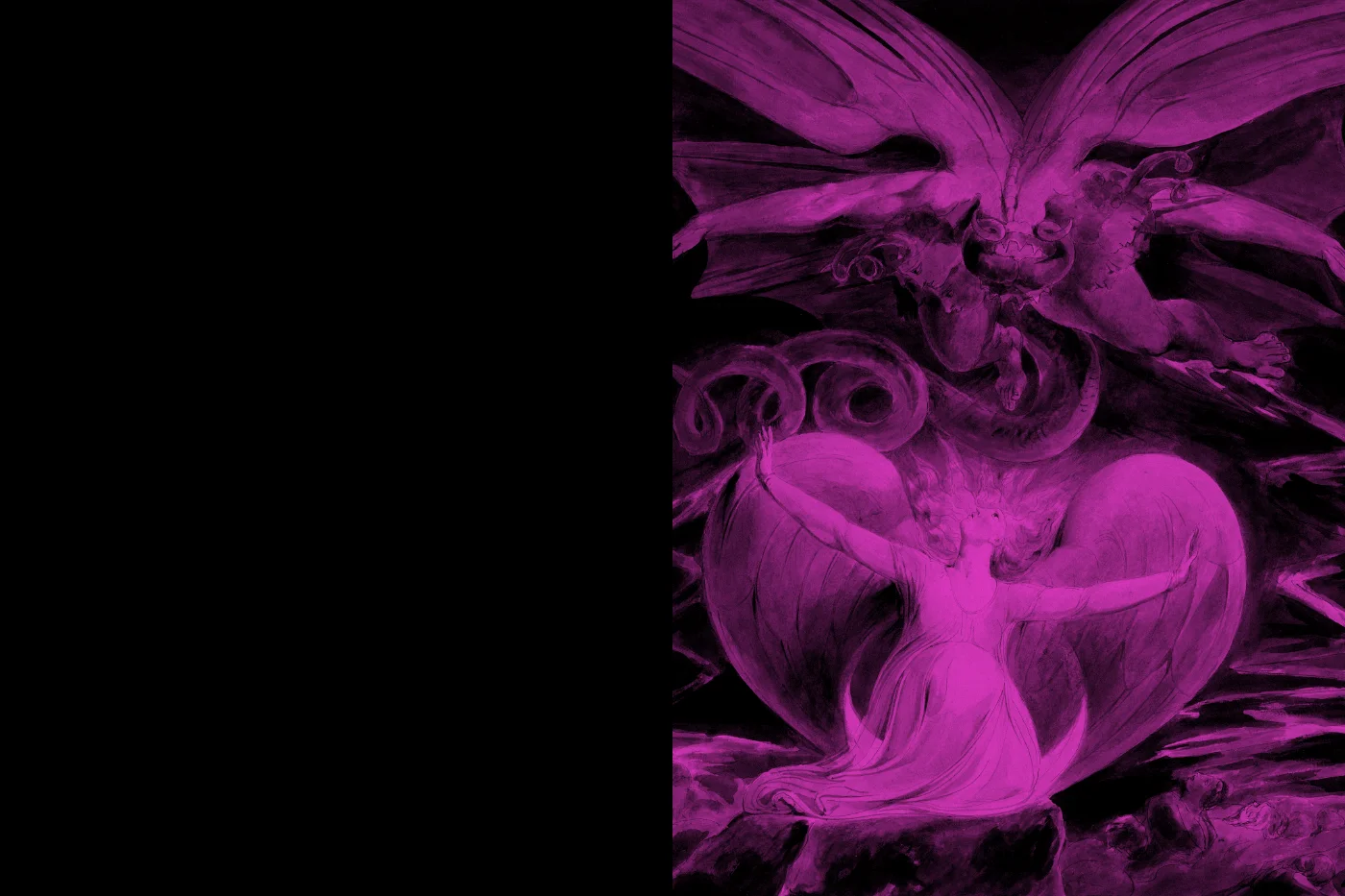
William Blake, Public domain, via Wikimedia Commons
Conversations in Apocalyptic Times
At the End of the World
January 27, 2026
Catholic Academy of Berlin, Hannoversche Str. 5, 10115 Berlin
Are we living through the end of a world order? Across the globe, a growing sense of rupture is reshaping how we think about politics, philosophy, law, and technology. This public event brings together leading scholars from diverse fields to explore how today’s apocalyptic mood is transforming their disciplines – and what new promises, fears, and possibilities emerge in this moment of profound change.
The event is a collaboration between the Berlin Center for Intellectual Diaspora and two Swedish research programs: At the End of the World: A Transdisciplinary Approach to the Apocalyptic Imaginary in the Past and Present (endoftheworld.lu.se), funded by Riksbankens Jubileumsfond and based at Lund University; and Experimenting with Traditions: The Life and Afterlife of 20th Century Jewish Intellectual Culture in the Baltic Sea Region, funded by The Foundation for Baltic and East European Studies and based at Södertörn University, Stockholm.
We are grateful to Riksbankens Jubileumsfond, The Foundation for Baltic and East European Studies, and the Center for Intellectual Diaspora at the Katholische Akademie Berlin for their support in funding this symposium.
Organizers
Jayne Svenungsson (Lund University), Aaron James Goldman (Lund University) & Elad Lapidot (Université de Lille)
Cooperation
Lund University in cooperation with the Berlin Center for Intellectual Diaspora and Södertörn University


Supported by


Program
Tuesday, January 27, 2026
| 09:30 – 10:00 am | Coffee |
| 10:00 – 10:15 am | Opening remarks by Elad Lapidot (BCID/University of Lille) |
| 10:15 – 11:45 am | Panel I: Being at the End of the World, featuring Mårten Björk (Lund University) Cecilia Wassén (Uppsala University) Hans Ruin (Södertörn University) Aaron James Goldman (Lund University), moderator |
| 11:45 – 12:00 am | Coffee |
| 12:00 – 13:30 pm | Panel II: Politics at the End of the World, featuring Zahiye Kundos (the Simon Dubnow Institute in Leipzig) Ov Cristian Norocel (Lund University) Ulrika Björk (Södertörn University) Jayne Svenungsson (Lund University), moderator |
| 13:30 – 14:45 pm | Lunch break |
| 14:45 – 16:15 pm | Panel III: Law at the End of the World, featuring Gregor Noll (University of Gothenburg) Friederike Kuntz (FU Berlin) Przemysław Tacik (Jagiellonian University in Kraków) Tormod Johansen (Gothenburg University), moderator |
| 16:15 – 16:45 pm | Coffee |
| 16:45 – 18:15 pm | Panel IV: Technology at the End of the World, featuring Luca Di Blasi (University of Bern) Natalie Bloch (Lund University) Allan Burnett (Linköping University) Blaženka Scheuer (Lund University), moderator |
| 18:15 – 18:30 pm | Closing remarks |
Speakers
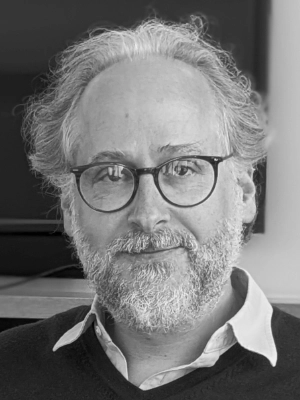
Elad Lapidot is Professor for Culture Studies at the University of Lille, France. He specializes in philosophy, Jewish thought and Talmud and was teaching at the University of Bern, Switzerland, the Humboldt Universität Berlin and the Freie Universität Berlin. His work is guided by questions concerning the relation between knowledge and politics. Among his publications are Jews Out of the Question: A Critique of Anti-Anti-Semitism (2020), Politics of Not Speaking (2025), and State of Others: Levinas and Decolonial Israel (2025).
Panel I
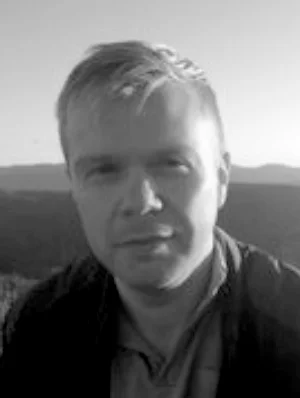
Mårten Björk holds a PhD in Systematic Theology and works at the Newman Institute in Uppsala and at Lund University. He has published a book on the relationship between eternal life and politics in German-Jewish and German-Christian thought between 1914 and 1945 (The Politics of Immortality). His book on Gustav Radbruch, H. L. A. Hart, and Ernst-Wolfgan Böckenförde on the end and purpose of law, co-written with legal scholar Tormod Johansen (The End of Law: Political Theology and the Crisis of Sovereignty) will be published by Routledge at the beginning of 2026.
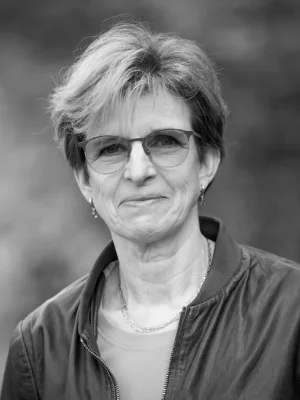
Cecilia Wassén is Professor of New Testament Exegesis. She works on the Dead Sea Scrolls and the New Testament, and her research explores apocalyptic ideas in early Judaism and Christianity, as well as questions of gender, meals, and purity laws in the ancient world. Her latest book, co-written with Tobias Hägerland, Jesus the Apocalyptic Prophet (T&T Clark, 2021; Swedish ed. Den okände Jesus, 2016), presents a fresh look at the historical Jesus through the lens of Jewish apocalyptic thought. She is the editor of The Dead Sea Scrolls in the series Ancient Literature for New Testament Studies (Zondervan Academic), where she also serves as a series editor.
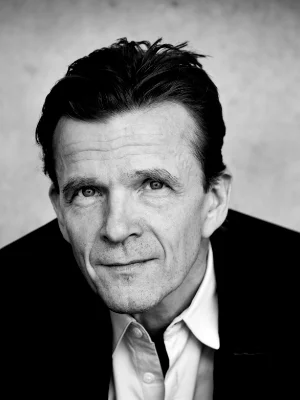
Hans Ruin is Professor of philosophy, at Södertörn university in Stockholm. His dissertation was on Heidegger and the problem of historicity. He has specialized in phenomenology and hermeneutics, deconstruction, and memory studies, and also ancient philosophy. He has also written extensively on Nietzsche, and was co-director of Nietzsche’s collected works in Swedish. His most recent book in English is Being with the Dead: Burial, Ancestral Politics, and the Roots of Historical Consciousness (2019). He has translated texts by Derrida, Heidegger, and Heraclitus into Swedish, and is currently engaged in a translation of Rosenzweig’s Der Stern der Erlösung.
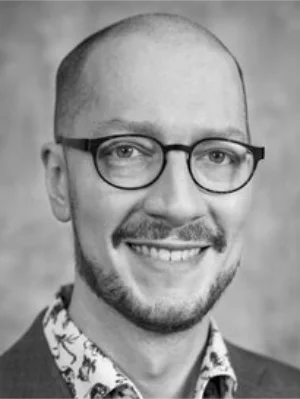
Aaron James Goldman is a research fellow in Philosophy of Religion at Lund University, with core expertise in the history of early- to late-modern European philosophy and theology, especially Kant and Kierkegaard. His recent research draws insights and methods from this period’s philosophy and religious thought to empower critiques of present-day politics, conceptions of science, and pop culture. His current major case study is right-wing conspiracism in the United States, particularly its veneration of Donald Trump.
Panel II
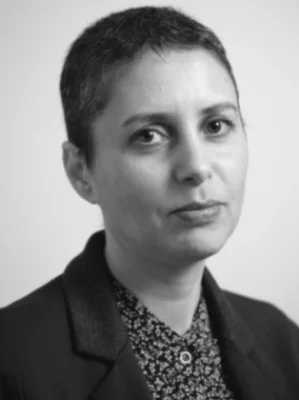
Zahiye Kundos is a scholar of modern Arabic and Middle Eastern Studies. She specializes in the Nahḍa, modern Arabic intellectual, cultural, religious, and literary history. She is also an essayist and public intellectual engaged with contemporary debates on matters of interest to Palestinian and Muslim cultures and societies. Her forthcoming book Experiencing Islam in Modernity: From ‘Abduh to Mahfouz examines how iconic Arabic figures have narrated their experiences of being Muslim through journalistic essays, autobiography, and the novel. Zahiye is currently a research associate at the Simon Dubnow Institute in Leipzig, where she is working on a project on motherhood.
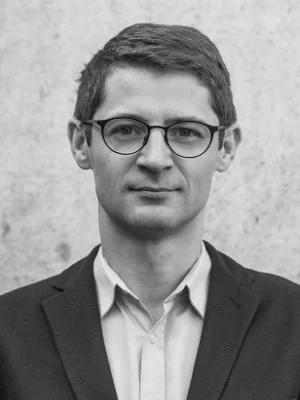
Ov Cristian Norocel is a Senior Lecturer in Gender Studies at Lund University. Norocel holds the titles of Docent in Political Science (Dosentti/Docent) from the University of Helsinki, and Doctor of Social Sciences in Political Science from the same university.His research applies an intersectional lens to issues of right-wing populist political communication during election periods; political discourses aimed at normalizing extreme right opinions; as well as the creation and maintenance of various power hierarchies within these discourses.
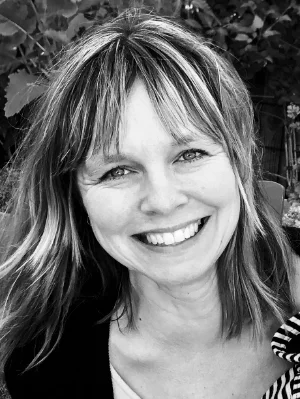
Ulrika Björk is a Senior Lecturer in Philosophy at Södertörn University in Stockholm. She received her doctorate in 2009 with a study of Simone de Beauvoir’s philosophical and literary investigations of subjectivity. Her main research fields are phenomenology and continental philosophy, early 20th century Jewish thought, and feminist philosophy. Since 2024, is the head of the research project Experimenting with Traditions: The Life and Afterlife of 20th Century Jewish Intellectual Culture in the Baltic Sea Region. Her current research engages with Hannah Arendt’s problematization of tradition from the perspective of her Jewish writings. She recently edited a special issue on political theology and Jewish political thought for Nordisk judaistik/Scandinavian Jewish Studies (vol. 36, no. 1, 2025).
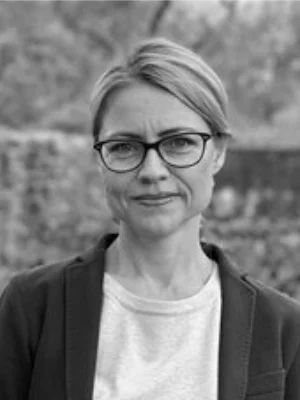
Jayne Svenungsson is Professor of Systematic Theology at Lund University in Sweden. Currently director of the multidisciplinary research program At the End of the World: A Transdisciplinary Approach to the Apocalyptic Imaginary in the Past and Present (endoftheworld.lu.se), her research focuses on political theology and philosophy of history. Her latest monograph is Divining History: Prophetism, Messianism and the Development of the Spirit (2016). Co-edited volumes include Jewish Thought, Utopia and Revolution (2014), Monument and Memory (2015), Heidegger’s Black Notebooks and the Future of Theology (2017) and The Ethos of History: Time and Responsibility (2018).
Panel III
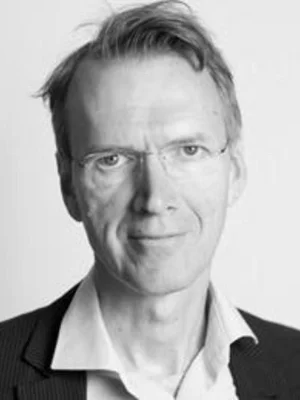
Gregor Noll is Professor of International Law at the University of Gothenburg and a leading scholar of refugee law, international humanitarian law and the theory of international law. His work has shaped debates on asylum, evidence and credibility, the laws of war and the legal imagination surrounding digital technologies and algorithmic systems. His recent research includes studies on decision-making, proportionality and technology in international law, and contributions to scholarly handbooks on the International Court of Justice and refugee law.
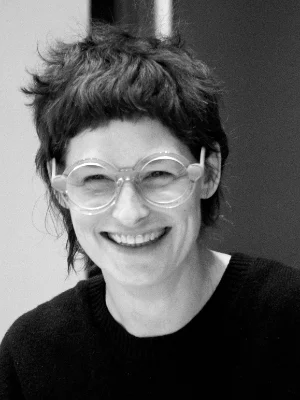
Friederike Kuntz is a independent scholar of international political and cultural history and formerly at the Research Unit Borders at the Cluster of Excellence “Contestations of the Liberal Script” (SCRIPTS), Free University Berlin. Her work explores historical formations of knowledge and government and the making of “the international,” drawing on neo-materialist and interdisciplinary approaches. She previously held research positions in Germany and the Netherlands.
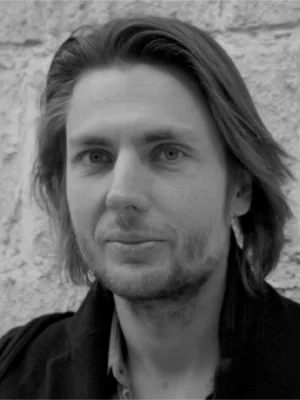
Przemysław Tacik is Associate Professor at the Institute of European Studies of the Jagiellonian University in Kraków and Director of Nomos: Centre for International Research on Law, Culture and Power. Trained in philosophy, law and sociology, he works at the intersection of contemporary philosophy, Jewish thought, critical legal studies and international law. He is the author of four monographs, including A New Philosophy of Modernity and Sovereignty (Bloomsbury 2021), and co-author of Law and the Exception: Towards a New Paradigm.
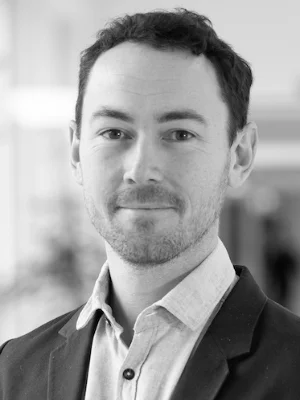
Tormod Johansen is Associate Professor and Senior Lecturer in Public Law at the University of Gothenburg. His research focuses on constitutional and administrative law, as well as legal theory and the philosophical foundations of public law. He has contributed to projects on legal preparedness and civil–military defence. His latest publication is the co-authored monograph The End of Law: Political Theology and the Crisis of Sovereignty (2025). He teaches constitutional and administrative law and serves on the coordinative council of Nomos: Centre for International Research on Law, Culture and Power.
Panel IV
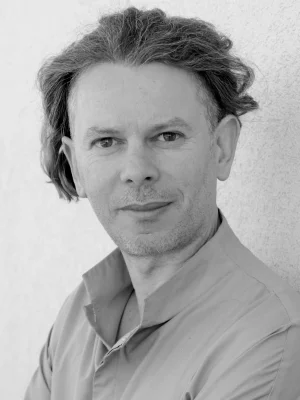
Luca Di Blasi is Associate Professor of Philosophy at the Theological Faculty of the University of Bern, contact person for the Interreligious Studies team at the Theological Faculty in Bern, and Associate Member of the ICI Berlin. His theoretical main interests include philosophy of religion, modern continental philosophy, postsecularism, and political theology. Main publications include Die Politik der Schuld (2025); Dezentrierungen. Beiträge zur Religion der Philosophie im 20. Jahrhundert (2018); Der weiße Mann. Ein Anti-Manifest (2013); Der Geist in der Revolte. Der Gnostizismus und seine Wiederkehr in der Postmoderne (2002); Cybermystik [ed.] (2006).
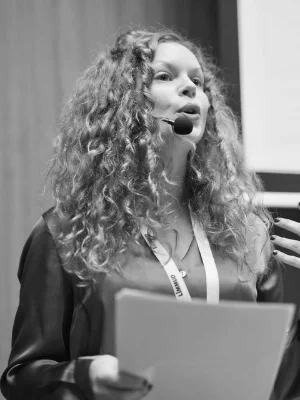
Natalie Bloch is a research fellow in Hebrew Bible Exegesis. Her research is situated at the intersection of Hebrew Bible studies and Jewish thought throughout history. Her teaching and research interests include Second Temple Judaism, rabbinic literature, Jewish mysticism, psychedelics and religion/spirituality, as well as contemporary Hebrew literature. At present, she explores the development of apocalyptic temple imaginaries, from the Hebrew Bible to reinterpretations in contemporary Jewish cultural expressions. Since 2013, Bloch has been working as a cultural columnist and translator of Hebrew fiction into Swedish, with translated works by Amos Oz and David Grossman, among others.
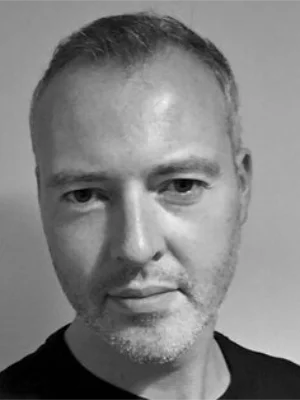
Allan Burnett is a Postdoctoral Research Fellow and teacher in History at Linköping University. He is also co-ordinator of the Linköping University research hub on Apocalyptic and Post-Apocalyptic Imaginaries. His research, teaching, and forthcoming publications focus on mainly 20th-century developments and debates concerning media and war, media power and politics, and apocalyptic media. Burnett was educated at Edinburgh University and his PhD is from Lund University. He is a former journalist and author of history books for children.
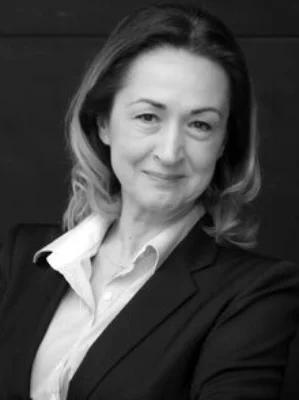
Blaženka Scheuer is Associate Professor and Senior Lecturer in Hebrew Bible/Old Testament Studies at Lund University. Her research centers on situating biblical texts in their historical context, examining their ancient interpretive traditions, and exploring the influence of biblical stories on contemporary debates, such as those surrounding artificial intelligence. Some relevant publications include Bees, Wasps, and Weasels: Zoomorphic Slurs and the Delegitimation of Deborah and Hudah in the Babylonian Talmud(2023) and “Genesis, Artificial Intelligence, and the Future of Evil,” pages 319–43 in Scheuer, Blaženka and David Willgren Davage, (eds.) Sin, Suffering, and the Problem of Evil (2021).