

The Politics of Rebirth and the
Prospects for Secular Democracy
July 3, 2025, 19–20:30 h, Katholische Akademie in Berlin, SR5
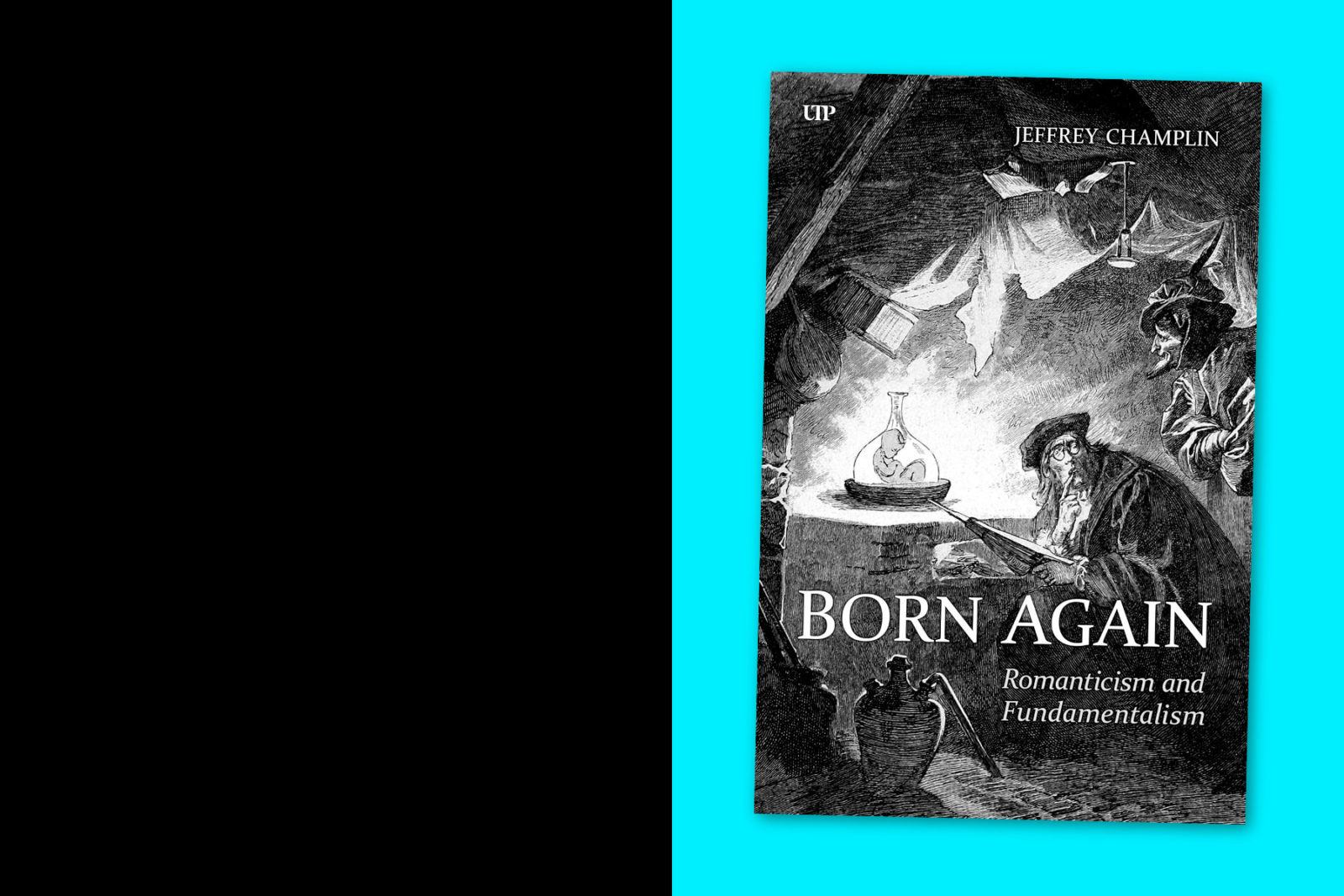
Born Again, Publisher: University of Toronto Press
The Politics of Rebirth and the Prospects for Secular Democracy
Katholische Akademie in Berlin, SR5
July 3, 2025, 19–20:30 h
Rebirth-as-renewal is a crucial trope for modern and (putatively) postmodern politics; it is the cross that we all must bear as citizens of more or less democratic nation-states in the post-Westphalian world. Sometimes it is deployed as an intervention in variations of the classical “reform or revolution” debates, as when Martin Luther King, Jr. said at the August 1967 SCLC annual convention: “America, you must be born again.” Sometimes it is deployed in historiographical debates, as when Eric Foner argues in The Second Founding that the Thirteenth to Fifteenth Amendments and the era of Reconstruction amounted to “a rebirth of the American Republic.” Sometimes it is deployed directly as political sloganeering, as when Björn Höcke’s “Flügel” pushes the AfD to embrace a platform that calls for Germany to be “reborn [Wiedergeboren]” in subsidiarity and independence from the EU in order to be truly free and democratic. This is noticed often enough. What is not given enough attention is the ways in which our debates about the justice (for many, King) or the perfidy (for many, Höcke) of appeals to political rebirth refuse to engage the political theological dimension of this trope.
This event is meant to correct this lacuna. Tonight, authors of two recent book— Born Again: Romanticism and Fundamentalism by Jeffrey Champlin and The Political Theology of Hannah Arendt by Michael Weinman—will be joined in discussion by Courtney Hodrick and Sophie Lauwers in order to unpack this “rebirth” trope, why it is so pervasive in our current political and cultural moment and why the focus on the “extremism,” “fundamentalism” or “immoderation” in much of the discourse around the politics of being born again does as much as to obscure as to make clear the connection between the pitfalls of secularism and the anti-democratic (in the sense of majoritarian decision making and popular sovereignty) character of many liberal defenses of the current international order.
Organization
Elad Lapidot
Participants
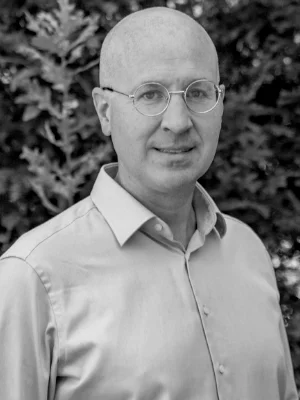
Jeffrey Champlin teaches courses in the Humanities and is Director of the Learning Commons at Bard College Berlin. His research emphasizes connections between literature and political theory. In terms of administrative and pedagogical development, he has a particular focus on students from areas of crisis and conflict. He has previously taught at New York University, Middlebury College, and The Barenboim-Said Akademie.
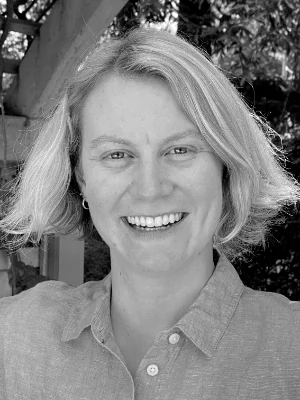
Courtney Hodrick teaches in the program in Civic, Liberal, and Global Education at Stanford University, where she previously held a postdoctoral fellowship in Jewish Studies and completed her PhD in German Studies in 2023. She is working on revising her dissertation, on hope in Arendt, for publication. She has also written articles and book chapters on Carl Schmitt and on Arendt’s response to the nuclear bomb and her concept of forgiveness.
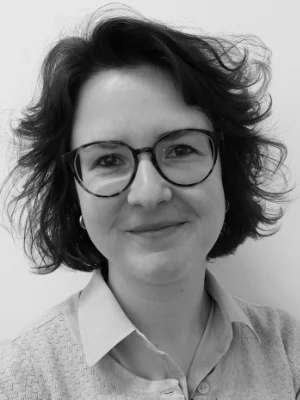
A. Sophie Lauwers is a postdoctoral researcher at the Institute of Philosophy and the Faculty of Theology and Religious Studies at KU Leuven. Her work is in political philosophy on secularism, Christian privilege, racial and religious inequality, recognition and epistemic justice.
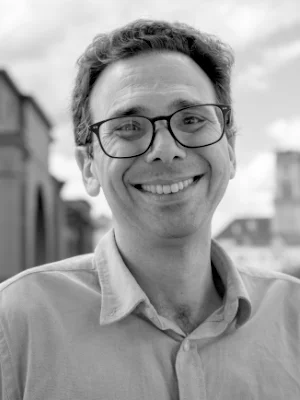
Michael Weinman is Senior Lecturer of Political Science and Jewish Studies at Indiana University-Bloomington and the author or editor of seven books, most recently, The Political Theology of Hannah Arendt (Edinburgh 2025). His earlier books include Hannah Arendt and Politics (Edinburgh 2022), co-written with Maria Robaszkiewicz, and The Emergence of Illiberalism (Routledge 2020), co-edited with Boris Vormann.